The Post-Holiday Reality Check: Senior Care Experts Guide Families Through Next Steps After Concerning Holiday Observations
PR Newswire
BRYN MAWR, Pa., Jan. 13, 2026
Professional In-Home Care Offers Path Forward for Adult Children Who Noticed Changes in Aging Parents
BRYN MAWR, Pa., Jan. 13, 2026 /PRNewswire/ -- In the weeks following the holidays, adult children across the nation are grappling with a difficult realization: their aging parents need help. Experts warn the critical window between recognition and action could determine whether aging loved ones can safely remain in their homes.
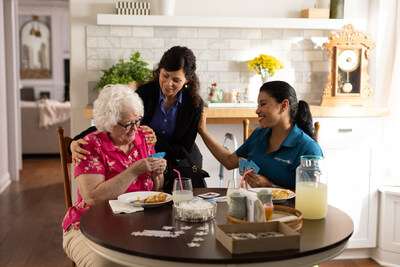
The holiday season may be over, but for millions of Americans, concerns about aging parents observed during recent family gatherings are beginning to spur action. Extended time together during the holidays often reveals troubling changes: physical decline, cognitive changes, or diminished ability to maintain independence safely.
According to Visiting Angels, America's Choice in Home Care®, the weeks following the holidays represent a critical decision point for families.
"January is when the shock wears off and reality sets in," explained Scott Parrish, Executive Vice President of Visiting Angels. "Adult children return to their daily lives, but the worry doesn't leave. The question becomes: do you act now, or do you wait and hope things improve? Waiting often means the next conversation happens during a crisis, not during a calmer planning period."
The Warning Signs That Cannot Wait
During holiday visits, certain red flags should have triggered immediate concern: noticeable weight fluctuations, accumulating unpaid bills or unopened mail, spoiled food in the refrigerator, new damage to a vehicle, and a marked withdrawal from holiday activities and family engagement, including time with grandchildren.
The National Institute on Aging identifies additional critical markers: declining personal hygiene, increasing confusion or memory loss, reports of frequent falls, and expressions of loneliness or social withdrawal. Any of these signs warrant prompt intervention, not a "wait and see" approach.
"When significant time passes between visits, adult children may struggle to recognize gradual decline," Parrish noted. "However, concentrated holiday time together brings neglected needs into sharp focus. If you saw warning signs over the holidays, waiting until Spring Break or next Thanksgiving to check in again is not a strategy. It's a gamble with your parent's safety."
The Dangerous Gap Between Recognition and Action
Once warning signs are recognized, they should not be ignored until the next family gathering. January is a perfect time to act for several reasons, including:
- Many insurance benefits and deductibles reset at the new year, making it an ideal time to explore coverage options
- Families are already in planning mode, making New Year resolutions and setting goals
- Scheduling care before spring and summer travel seasons ensures continuity and builds trust between caregivers and seniors
- Acting now prevents the guilt and chaos of crisis-driven decisions made under duress
Additionally, falls are also a particular concern. According to the CDC, one in four Americans aged 65 and older falls each year, and falls are the leading cause of injury-related deaths among seniors. Without consistent oversight, a fall can go undiscovered for hours or even days, dramatically increasing the risk of serious complications.
The Growing Crisis of Caring for Aging America
The challenge facing families extends far beyond individual households. According to a 2025 U.S. News survey, 95% of adults aged 55 and older consider aging in place an important goal. The U.S. Census Bureau projects the population aged 65 and older will increase from 58 million in 2022 to 82 million by 2050, representing a 47% increase.
Yet nearly half (49%) of all seniors report that cost-of-living increases are making it more difficult for them to age in place safely, while only 10% of U.S. homes are adequately equipped to accommodate the needs of older adults.
Meanwhile, family caregivers face mounting pressure from what experts call the "mid-life squeeze." According to AARP's 2025 Caregiving in the U.S. report, 29% of caregivers are simultaneously caring for both aging parents and children. Among caregivers under age 50, that number rises to 47%. These individuals caught in the mid-life squeeze spend an average of 27 hours per week on caregiving tasks, with nearly half experiencing significant financial impacts, including debt, depleted savings, or cutting back on essentials.
Professional In-Home Care: Turning Concern Into Action
Professional non-medical in-home senior care bridges the gap between independence and safety, enabling families to address their holiday concerns before they become crises. Visiting Angels provides comprehensive services designed to help older adults remain in their homes longer while maintaining dignity and quality of life.
Services include personal care assistance with bathing, grooming, dressing, and mobility; companion care offering socialization and meaningful conversation; household help including light housekeeping, laundry, and meal preparation; medication reminders; errands and transportation; and specialized care for conditions including Alzheimer's, dementia, Parkinson's, and end-of-life support. Visiting Angels also offers transitional care through its Ready-Set-Go Home program for seniors returning from hospital stays, and respite care, providing temporary relief for family caregivers.
"Professional caregivers provide more than just assistance with daily activities," Parrish explained. "They offer consistent companionship, professional oversight of changing needs, daily eyes on your loved one, and communication if concerns arise. For adult children living miles or states away, having a trusted professional checking in regularly transforms abstract worry into concrete peace of mind."
The flexibility of in-home care allows families to start small and scale up as needs change. Some families begin with just a few hours per week for companionship and light housekeeping, while others require more comprehensive support. This scalability means care evolves alongside changing needs, allowing seniors to age in place through multiple stages of life.
Taking the First Step
For families confronting difficult realizations from recent holiday visits, the path forward begins with a conversation and a phone call. As you plan for the provision of care for your senior loved one, it's important to expect some resistance; this is a normal part of the process. Visiting Angels is here to help you and your loved one understand that you remain in control. Through our free in-home consultations, we assess needs, discuss options, and create customized care plans that respect a senior's desire for independence while giving families the reliable support and peace of mind they need.
Exploring professional in-home care now ensures aging parents receive the dedicated attention they need to remain safe and content in their homes, providing a little extra support and a lot of peace of mind for the entire family. The question is no longer whether to act, but how soon.
For additional resources and guidance on senior home care options, visit https://www.visitingangels.com/ or call 800-365-4189 to find a location.
About Visiting Angels: Visiting Angels began franchising in 1998 in the Philadelphia, Pennsylvania, area. Today, Visiting Angels has over 600 private-duty agencies throughout the United States. Visiting Angels is America's Choice in Home Care®. Our professional and dedicated caregivers proudly help older adults live comfortably and independently in their own homes. For more information on Visiting Angels or to find a location near you, please visit www.visitingangels.com.
Sources:
- U.S. News 2025 Aging in Place Survey: https://www.usnews.com/360-reviews/services/senior-tech-aging-in-place-survey
- U.S. Census Bureau, 2025: https://www.census.gov/newsroom/press-releases/2025/older-adults-outnumber-children.html
- AARP and National Alliance for Caregiving, Caregiving in the U.S. 2025: https://www.aarp.org/pri/topics/ltss/family-caregiving/caregiving-in-the-us-2025/
- RetirementLiving.com, Aging in Place Statistics 2025: https://www.retirementliving.com/aging-in-place/aging-in-place-statistics
- National Institute on Aging: https://www.nia.nih.gov/
- Centers for Disease Control and Prevention: https://www.cdc.gov/falls/index.html

 View original content to download multimedia:https://www.prnewswire.com/news-releases/the-post-holiday-reality-check-senior-care-experts-guide-families-through-next-steps-after-concerning-holiday-observations-302659865.html
SOURCE Visiting Angels

